
How to Plan a Lake Austin Wakesurf Charter for Mixed Skill Levels
October 16, 2026 · By Jordan Miller
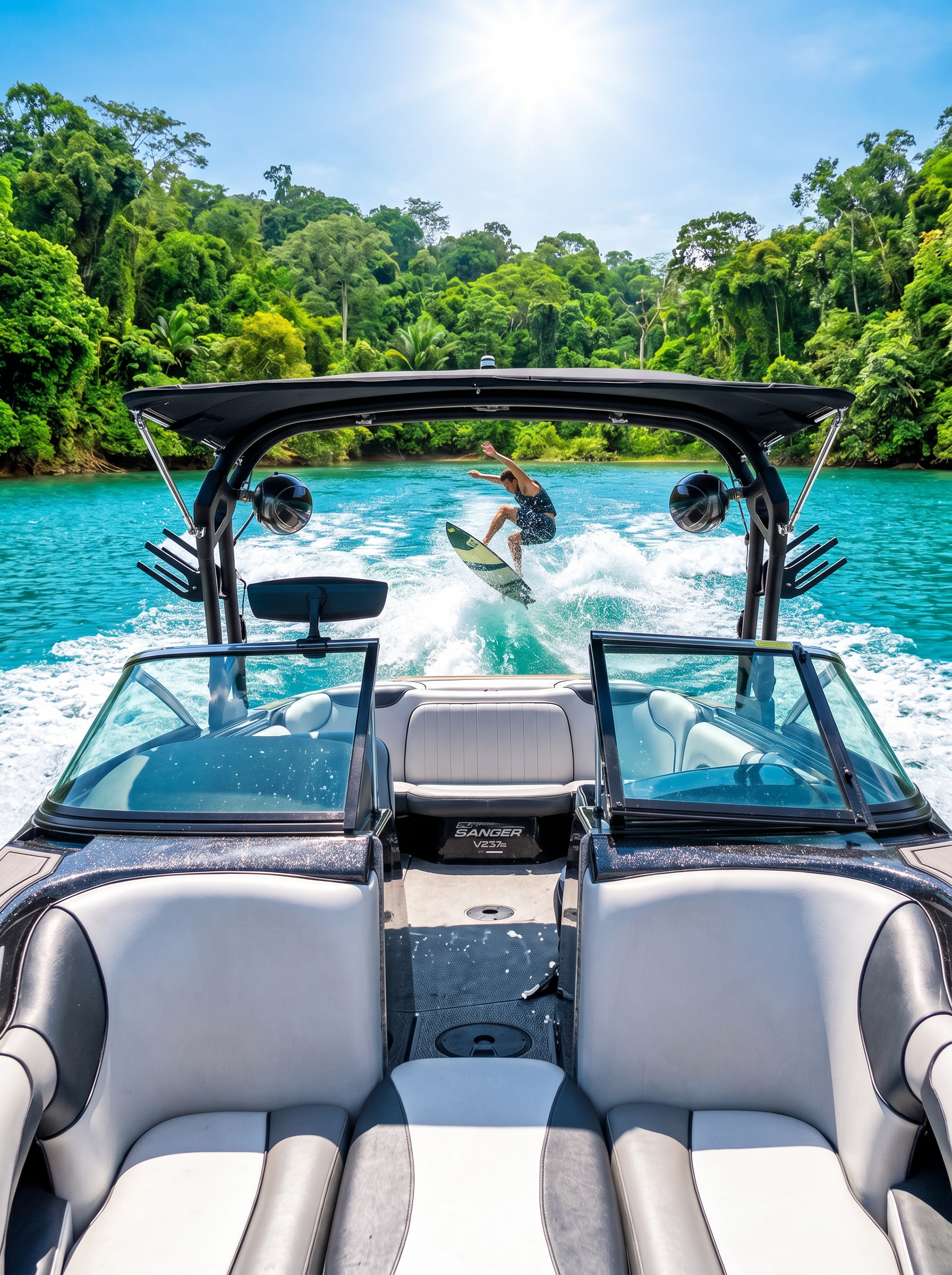
One Boat, Different Comfort Levels: Making the Day Work
Planning a wakesurf charter gets more complicated when your guest list includes an enthusiastic rider, several first-timers, and someone who would rather stay dry. Add a birthday celebration or a family group, and the challenge is not simply choosing an activity. It is creating a day that feels worthwhile to everyone.
The solution is not to give every guest an identical experience. Beginners need patient instruction. Returning riders may want focused practice. Non-riders need to know they are welcome without being pressured into the water.
A well-planned mixed-skill charter makes room for those differences while keeping the captain in control of boat operations, rider transitions, and safety decisions.
Texas Wakesurf Charters offers captained private wakesurf and lake-day charters on Lake Austin in Austin, Texas. An expert captain and water sports instructor, fuel, top-tier water sports equipment, and a complimentary cooler with ice are included. That setup lets the organizer focus on the group rather than trying to drive, teach, and host at once.
Here is how to plan the experience before anyone steps aboard.
Start With the Experience Your Group Actually Wants
Before comparing booking options, ask a more useful question than “Who wants to go wakesurfing?” Ask: What would make this a good lake day for you?
People may say yes to a boat outing for very different reasons. One guest pictures repeated practice runs. Another wants to try something new once. A third mainly wants time with friends on the water.
Those expectations can coexist, but they need to be visible before you book.
Sort preferences without ranking people
Use a simple group message to identify three broad preferences:
- Eager to ride: Guests who expect wakesurfing to be a central part of their day.
- Interested but unsure: Guests who may try it with encouragement and instruction.
- Happy to stay aboard: Guests who want the social and sightseeing side of the outing.
These are preferences, not commitments. Someone who starts out uncertain may become excited after watching a calm lesson. An eager participant may decide to rest after an early turn.
Avoid labels such as “athletic” and “unathletic.” Experience, confidence in the water, fatigue, and comfort with new situations matter more than how sporty someone seems on land.
Choose a primary purpose
Give the outing one main purpose, even if it includes several activities. For example:
- A beginner-friendly introduction with time to relax between turns.
- A riding-focused outing with individual coaching goals.
- A birthday lake day where wakesurfing is optional.
- A family experience built around different comfort levels.
This choice helps the captain understand your priorities. It also prevents a mismatch in which one guest expects intensive practice while everyone else expects a floating social gathering.
Review the available experiences and describe your group's priorities when booking rather than assuming every outing follows the same format.
Choose the Right Booking Format
A private charter and a public wakesurf session are not interchangeable. This distinction matters especially when your group includes people who do not plan to ride.
Private charters suit a shared group plan
A private charter means your party books the outing together rather than joining an open session with other participants. It is the more relevant format to discuss when you want a group-focused lake day, a celebration, or a mix of riding and relaxing.
Private does not mean unlimited customization. Capacity, available booking lengths, route choices, activity options, and operating conditions still need to be confirmed. The captain's safety decisions always take priority over the group's preferred schedule.
Use the vessel information to get familiar with the boat, then confirm that your full guest list fits the available booking option. Count everyone, including guests who will not enter the water.
Public sessions are a different experience
Texas Wakesurf Charters also offers public wake surf sessions at $100 per person for groups of 5–8 people. These sessions are not private.
Do not use that per-person session price to estimate the cost of a private charter. They are different booking formats. If your main goal is to keep your own group together and accommodate non-riders, discuss private charter options directly.
Check current pricing for the booking you are considering. A 20% mandatory gratuity is due to the captain, so include that in the group budget from the beginning rather than presenting it as an optional expense afterward.
Send the Captain a Useful Group Brief
The captain can prepare more effectively when the organizer provides a short, accurate description of the group. You do not need a detailed biography for every guest. You do need information that affects instruction, equipment, comfort, and expectations.
A useful brief includes:
- Total number of guests and any children joining the outing.
- How many guests are first-time wakesurfers.
- How many have ridden before and what they hope to practice.
- How many expect to remain aboard.
- Whether anyone is uneasy in deep water.
- Any relevant mobility, medical, sensory, or accessibility concerns to discuss privately.
- Whether the trip is primarily a lesson-oriented outing or a social lake day.
Do not assume experience in another board sport translates directly to wakesurfing. “Comfortable snowboarding, but has never wakesurfed” is more informative than “advanced.”
Similarly, someone who has stood up during a previous lesson may still want basic coaching. Let guests describe what they have actually done rather than assigning them a skill level.
Ask about needs before promising accommodations
If a guest has difficulty boarding, needs a particular seating arrangement, or has a condition that could affect water participation, ask about suitability before booking. Avoid reassuring them that the boat or activity will definitely work without confirmation.
For children, confirm participation requirements and appropriately fitting equipment ahead of time. An adult should also be clearly responsible for supervising children aboard; do not assume the captain can provide dedicated childcare while operating the boat and instructing riders.
Build a Rotation That Feels Fair Without Becoming Rigid
Rider rotation is often the biggest source of avoidable friction on a mixed-skill charter. Experienced riders may stay up longer. Beginners may spend more time on instructions and restarts. A hesitant guest may need a little space before trying.
Fairness does not require identical ride distances or a stopwatch-driven schedule. It requires a shared understanding of how opportunities will be distributed.
Give interested riders an initial opportunity before repeat turns
A useful starting agreement is that everyone who wants to participate gets an initial opportunity before anyone expects extra turns. The captain can adjust the order for equipment needs, conditions, rider readiness, and safe operations.
This approach protects the quieter beginner from being overlooked while a confident rider repeatedly volunteers to go next.
It also helps experienced guests relax. They know additional opportunities are possible, but they are not competing to claim them before others have tried.
Let the captain help define a sensible turn
Avoid deciding in advance that every rider gets an exact number of attempts or uninterrupted minutes. A turn includes more than standing on a board. It can involve instruction, positioning, starts, recovery, and a safe return to the boat.
Conditions and fatigue affect the rhythm, too. Ask the captain how to manage turns for the group rather than treating a home-made schedule as a guarantee.
A practical shared expectation is: everyone gets a reasonable opportunity, nobody claims unlimited retries, and the plan can change for safety.
Offer an easy way to pause
Agree that any participant can say “I want a break” without needing to justify it. A beginner may learn more from resting and watching another rider than from repeating increasingly tired attempts.
Skipping a turn should not mean losing all future opportunities. It should mean stepping back while the group continues, with another chance considered if time and conditions allow.
Decide Who Goes First With Care
The first rider sets the emotional tone. A confident participant can demonstrate a calm transition into the water and show the group what a coached session looks like. But an experienced rider who immediately wants a long practice turn can make the outing feel less welcoming.
There is no universally correct first rider. Let the captain weigh the group's readiness and the conditions.
When an experienced rider can help
A returning rider may be a useful first participant if they are willing to keep the opening turn focused and follow the instructor's lead. Beginners can observe the sequence of preparation, communication, riding, and recovery.
The point is not to put on a show. It is to make the process familiar.
Tell first-timers that watching a successful ride is not a benchmark they must match. Their own first goal might simply be getting comfortable in the water and understanding the setup.
When a willing beginner should go first
Sometimes a first-timer is ready and prefers not to wait. If the captain agrees, there is no need to delay them just because another guest is more experienced.
What matters is willingness, not social status. The birthday guest, organizer, or guest of honor should not automatically be pushed into the first turn.
A good opening question is: “Who feels ready to start, and who would like to watch first?”
Give Different Riders Different Goals
Mixed-skill groups become easier to manage when success is individualized. A first-timer and a practiced rider should not be working toward the same outcome.
Beginners: prioritize comfort and one clear cue
A beginner's useful goals may include:
- Understanding the captain's instructions and signals.
- Getting comfortable with the board and rope setup.
- Practicing a controlled start.
- Finding a balanced stance during a short ride.
- Learning how to stop an attempt and wait for recovery.
Not every first outing needs to end with rope-free riding. Treating that as a required milestone can make normal learning feel like failure.
The instructor should select the next cue based on what they observe. Friends can encourage, but they should avoid adding competing instructions from the seats.
Returning riders: choose a specific focus
“Get better” is difficult to coach. A more useful goal is to improve a particular aspect of riding, such as a quieter upper body, smoother weight shifts, or more consistent positioning on the wave.
Tell the instructor what feels inconsistent and what happened on previous rides. Then let them determine an appropriate progression.
One focused adjustment often makes a turn more productive than trying several unrelated changes. The knowledge base can help riders identify topics to discuss, but on-water instruction should reflect the actual rider and conditions.
Experienced riders: do not make equipment demands the group plan
Experienced participants may have preferences about board feel or the wave. Those preferences are worth communicating, but they should not dictate constant changes at the expense of everyone else's experience.
The captain manages the boat setup and determines what is appropriate. Ask what is practical for the outing, and recognize that a mixed-group charter is different from a dedicated personal training session.
Make Non-Riders Feel Like Guests, Not Spectators on Standby
A non-rider should not spend the whole charter answering “Are you sure you don't want to try?” Staying aboard is a valid way to enjoy a lake day.
Make that clear before booking. If the group is planning an intensely riding-focused outing, say so honestly. Someone who wants mostly quiet conversation may prefer a different balance of activities.
Include them without assigning them a job
A guest may enjoy taking photos, cheering, or talking with friends between turns. Those are options, not duties.
Do not assume the person who does not surf will automatically handle everyone's bags, supervise all the children, or film every attempt. They are part of the outing, not unpaid support staff.
Ask what would help them enjoy the day. Comfort, conversation, and a clear sense of what to expect can matter more than a packed activity schedule.
Discuss relaxed time separately from riding time
If your group wants time for swimming, sightseeing, or simply being on the lake, ask what is available and appropriate for the booking. Do not assume those activities can happen simultaneously with wakesurf operations.
Swimming and boat movement require clear direction from the captain. Nobody should enter the water independently while a rider is being set up or recovered.
For broader planning context, consult the Lake Austin guide, then confirm the specific meeting location and trip details associated with your reservation.
Establish Boat Etiquette Before the First Turn
Mixed-skill groups benefit from a few simple agreements. These are not about making the day formal. They reduce distractions and help everyone understand what safe participation looks like.
One coaching voice
The instructor should be the primary voice a rider hears. Multiple people calling out different advice can overwhelm a beginner and make important directions harder to understand.
Friends can celebrate effort and progress without narrating every movement. Save observations for when the instructor invites them or when the rider is safely back aboard.
Let the captain direct movement aboard
Passengers should follow seating and movement instructions, especially while the boat is underway or recovering a rider. Do not move around to adjust the wave or crowd one side for a video unless directed.
Keep loose belongings out of walking areas. During boarding and rider transitions, attention should be on the captain's instructions rather than on passing phones or rearranging bags.
Treat the stern and swim platform as controlled areas
Nobody should enter the water, approach the stern, or climb onto the platform without the captain's direction. Boat and propeller safety procedures are not something guests should improvise.
Do not linger near exhaust outlets, and tell the captain immediately about headache, dizziness, or nausea. Those symptoms can have several causes, including carbon monoxide exposure, and should not be dismissed as ordinary tiredness.
Keep alcohol separate from water-sport participation
Do not combine drinking with wakesurfing. If alcohol is part of the celebration, plan for participating riders to remain sober and follow the operator's policies.
Alcohol can impair coordination and judgment and may compound fatigue or heat-related problems. Check the policies before making beverage plans, and remember that the captain can stop an activity when participation is unsafe.
Account for Fatigue, Weather, and Changing Conditions
A schedule that looks balanced in a group chat may need revision on the lake. Boat traffic, wind, weather, rider stamina, and other operating conditions can affect what is appropriate.
Do not interpret every change as a disruption. Adjusting the plan is part of responsible boating.
Notice when effort stops being productive
Repeated starts can be tiring. A participant may also become tense from concentrating, especially if they are new to deep-water activities.
Possible reasons to pause include:
- Difficulty following directions that were previously clear.
- Shaking arms or visibly declining coordination.
- Frustration that grows with each attempt.
- Feeling chilled, overheated, nauseated, or unusually exhausted.
- Saying they want to stop, even without another obvious sign.
Tell the captain about symptoms promptly. Do not diagnose them from the seats or encourage someone to push through discomfort to get one more clip.
Build flexibility into the group's expectations
Avoid promising a particular route, uninterrupted riding, or a specific achievement. Conditions can change, and no organizer can guarantee that every beginner will stand up or that every experienced rider will meet a progression goal.
Review cancellation and weather terms before booking. Ask how updates are communicated rather than deciding on your own that a forecast guarantees either a cancellation or a go-ahead.
The FAQ and booking policies are useful starting points, but reservation-specific questions should be confirmed directly.
Use a Flexible Outline Instead of a Minute-by-Minute Itinerary
Your charter does not need a complicated schedule. It needs a sequence that gives instruction, participation, and rest enough room to happen.
A practical outline to discuss with the captain is:
- Orientation: Introductions, safety instructions, group priorities, and questions.
- Initial riding opportunities: Interested guests take turns, with coaching matched to their experience.
- Reassessment: Check who wants another turn, who wants to rest, and whether conditions call for a change.
- Focused follow-up: Returning participants work on a manageable goal while others relax aboard.
- Wrap-up: Follow the captain's directions for the return and disembarking.
This is a conversation framework, not a promised itinerary. A larger number of interested riders means more individual setups and transitions. A group seeking substantial practice should discuss suitable booking options rather than assuming every person can have repeated long turns.
A Message You Can Send Your Group
Clear expectations do not require a long briefing. Adapt this message before the outing:
We're planning a private Lake Austin wakesurf and lake-day charter. Beginners are welcome, and nobody has to ride. Please tell me whether you're eager to surf, might try it, or prefer staying aboard. We'll give interested riders an initial opportunity before planning extra turns, with the captain managing the order and safety decisions. Coaching comes from the instructor, so everyone else can focus on encouragement. We'll also include the mandatory captain gratuity in our shared budget.
Then gather any sensitive health or accessibility questions privately and pass them along appropriately. A group chat is not the place to require someone to explain a medical concern.
Measure Success by the Whole Group's Experience
The best mixed-skill outing is not necessarily the one with the longest ride or the most dramatic video. It is one where expectations were honest, coaching was clear, and people felt comfortable participating at their own level.
A beginner who asks for another turn has had a meaningful win. So has a returning rider who understands one technique adjustment. A non-rider who feels included rather than pressured is equally part of a successful day.
Plan around those outcomes, share the group's needs early, and leave room for the captain to adapt the experience to the lake and the people aboard.
Ready to bring your group together on Lake Austin? Book a charter and share your riders' experience levels and lake-day priorities.
Frequently asked questions
Can beginners and experienced wakesurfers share a private charter?+
Yes. Share the group's experience levels and goals when booking so instruction and rider turns can be planned appropriately. Beginners can focus on comfort and controlled starts while returning riders work on specific technique goals, with the captain adjusting the plan for conditions and safety.
Does everyone on a Lake Austin wakesurf charter have to ride?+
No. Texas Wakesurf Charters offers private wakesurf and lake-day charters, and guests can choose to remain aboard. Include non-riders in the total guest count and discuss the desired balance of riding and relaxing before booking.
How should a mixed-skill group divide wakesurfing turns?+
A useful starting point is to give every interested participant an initial opportunity before planning repeat turns. Let the captain manage the order and length of turns based on instruction needs, equipment, fatigue, conditions, and safe rider transitions.
Are the $100 wake surf sessions private charters?+
No. Public wake surf sessions cost $100 per person, have 5–8 people, and are not private. Private charters are a separate booking format; consult current pricing rather than using the public-session rate to estimate a private outing.
What is included with Texas Wakesurf Charters?+
Included are an expert captain and water sports instructor, fuel, top-tier water sports equipment, and a complimentary cooler with ice. A 20% mandatory gratuity is due to the captain and should be included in your planning budget.
What should the organizer tell the captain before a mixed-skill charter?+
Share the total guest count, any children attending, the number of first-time and returning riders, non-rider preferences, and the group's main priorities. Discuss water confidence, relevant medical concerns, mobility needs, and accessibility questions privately before booking so suitability can be confirmed.
Ready to ride?